 Even by the most conservative geneticists’ standards, we have anywhere from 80% to 97% control over our own genetic expressions. We ALL have dormant genes for all sorts of things, both good and bad. You’re not just fat because your mother and father were fat. –Nor are you destined to have a heart attack just because half the people in your family have had one, or by the same token will you get diabetes, or cancer. Genetics can have some influence, certainly…but genes are turned on and off by regulatory genes and regulatory genes are mainly controlled by nutrients. A gene will not express itself unless the internal environment is conducive to its expression… and we have ultimate control over that by the foods we choose to eat, the emotions we habitually choose to experience, the toxicity of the environment in which we live and the lifestyle we consistently choose to live. Learn to be the master of your own genetic destiny.
Monday, December 27, 2010
You and Your Genetics
Don't believe that genetics determine your destiny.
Even by the most conservative geneticists’ standards, we have anywhere from 80% to 97% control over our own genetic expressions. We ALL have dormant genes for all sorts of things, both good and bad. You’re not just fat because your mother and father were fat. –Nor are you destined to have a heart attack just because half the people in your family have had one, or by the same token will you get diabetes, or cancer. Genetics can have some influence, certainly…but genes are turned on and off by regulatory genes and regulatory genes are mainly controlled by nutrients. A gene will not express itself unless the internal environment is conducive to its expression… and we have ultimate control over that by the foods we choose to eat, the emotions we habitually choose to experience, the toxicity of the environment in which we live and the lifestyle we consistently choose to live. Learn to be the master of your own genetic destiny.
Even by the most conservative geneticists’ standards, we have anywhere from 80% to 97% control over our own genetic expressions. We ALL have dormant genes for all sorts of things, both good and bad. You’re not just fat because your mother and father were fat. –Nor are you destined to have a heart attack just because half the people in your family have had one, or by the same token will you get diabetes, or cancer. Genetics can have some influence, certainly…but genes are turned on and off by regulatory genes and regulatory genes are mainly controlled by nutrients. A gene will not express itself unless the internal environment is conducive to its expression… and we have ultimate control over that by the foods we choose to eat, the emotions we habitually choose to experience, the toxicity of the environment in which we live and the lifestyle we consistently choose to live. Learn to be the master of your own genetic destiny.

Exercise vs. the Bad Diet
Exercise cannot “make up for” unhealthy eating habits.
 I could go on with this one for hours. It’s an extremely common misconception and one that allows far too many people to rationalize extremely unhealthy dietary habits. Exercise does not determine your biochemistry—diet does. It’s true that exercise (properly done) has many important health benefits. It can help improve, for instance, insulin sensitivity. This will not, however, somehow magically compensate for eating that stack of pancakes for breakfast. Although it is possible to burn off the sugar (with anaerobic exercise) it is NOT possible to burn off the insulin. Trans-fats, too, will NOT melt away and evaporate on the treadmill or stationary bike at the gym after you ate those French fries for lunch. Exercise is an ADJUNCT to a healthy diet…NOT a substitute.
Doctors Don't Know Nutrition
An important lesson to learn.
Not relying on the media, your doctor and even conventional nutritionists/dieticians to provide accurate nutritional information
 Keep in mind that most "mainstream" information sources have an inherent agenda (hidden or not so hidden in them). Anyone providing "education" regarding what it is you need to be healthy who comes from a mainstream perspective will either directly or indirectly be furthering the financial interests of various multinational corporations, mainstream medicine and/or pharmaceutical companies. This is not paranoia or cynicism...it is reality. –And there is considerable reason to be cautious.
Medical doctors—although often well-meaning-- may be the singularly least qualified persons to offer nutritional recommendations. Their education in nutrition is almost non-existent and carefully cultivated by medical schools entirely toward promotion of pharmaceutical interests. Keep in mind that somewhere around World War II medicine ceased to become a profession and became a full-blown industry. One really does not go to medical school to study health; but rather, one goes to medical school to study disease…and the treatment of the symptoms of disease by the use of drugs, surgery and (often expensive) medical intervention. Medical schools are essentially funded by pharmaceutical interests. --Not that doctors are ill-intentioned in the least, but hospitals are profit-oriented institutions…and the advice you get there may not be in your own best interest so much as the interest of the hospital or clinic (this observation was actually imparted to me in confidence by the head of a department at a major medical university). The same may unfortunately be said for many “natural health care providers” that are often as beholding to the interests of neutraceutical companies as allopathic physicians are beholding to drug companies. I do not suggest people ignore the advice of their healthcare providers, only that people be cautious, do their homework and/or seek second (if not multiple) opinions wherever possible. No one will ever care more about your health and your own best interests than you.
Conventional nutritionists and dieticians (the very people that design hospital food and school lunch programs…take a hint) are bound to the dictates of the unfounded and enormously unscientific USDA Food Pyramid. However well-meaning, these folks have been “indoctrinated” and fully trained by a complex, very corporate-driven system determined to retain considerable political and economic power.
Finally, the media on nearly all fronts are utterly bound by the interests of their advertisers: food, telecommunication and pharmaceutical industries. They literally cannot afford to be objective or tell the “truth” when millions of their advertising dollars are hanging in the balance from fast food, processed food telecommunications and drug companies.
Not relying on the media, your doctor and even conventional nutritionists/dieticians to provide accurate nutritional information
Keep in mind that most "mainstream" information sources have an inherent agenda (hidden or not so hidden in them). Anyone providing "education" regarding what it is you need to be healthy who comes from a mainstream perspective will either directly or indirectly be furthering the financial interests of various multinational corporations, mainstream medicine and/or pharmaceutical companies. This is not paranoia or cynicism...it is reality. –And there is considerable reason to be cautious.Medical doctors—although often well-meaning-- may be the singularly least qualified persons to offer nutritional recommendations. Their education in nutrition is almost non-existent and carefully cultivated by medical schools entirely toward promotion of pharmaceutical interests. Keep in mind that somewhere around World War II medicine ceased to become a profession and became a full-blown industry. One really does not go to medical school to study health; but rather, one goes to medical school to study disease…and the treatment of the symptoms of disease by the use of drugs, surgery and (often expensive) medical intervention. Medical schools are essentially funded by pharmaceutical interests. --Not that doctors are ill-intentioned in the least, but hospitals are profit-oriented institutions…and the advice you get there may not be in your own best interest so much as the interest of the hospital or clinic (this observation was actually imparted to me in confidence by the head of a department at a major medical university). The same may unfortunately be said for many “natural health care providers” that are often as beholding to the interests of neutraceutical companies as allopathic physicians are beholding to drug companies. I do not suggest people ignore the advice of their healthcare providers, only that people be cautious, do their homework and/or seek second (if not multiple) opinions wherever possible. No one will ever care more about your health and your own best interests than you.
Conventional nutritionists and dieticians (the very people that design hospital food and school lunch programs…take a hint) are bound to the dictates of the unfounded and enormously unscientific USDA Food Pyramid. However well-meaning, these folks have been “indoctrinated” and fully trained by a complex, very corporate-driven system determined to retain considerable political and economic power.
Finally, the media on nearly all fronts are utterly bound by the interests of their advertisers: food, telecommunication and pharmaceutical industries. They literally cannot afford to be objective or tell the “truth” when millions of their advertising dollars are hanging in the balance from fast food, processed food telecommunications and drug companies.
Always Read the Fine Print!
Relying on superficial descriptions such as “natural” or even “organic” on labels to determine whether a food is truly healthy.
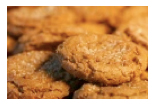 Here’s where the Food Industry gets you. They hone in on buzzwords they think will sell their product. Terms like “natural” or “organic” are useless if the product in question is loaded with sugar (organic or not) or if the product contains highly processed ingredients and /or additives. Furthermore, labeling laws designed to supposedly “protect the consumer” are dubious, at best. Learn to read the fine print in the actual nutritional analysis on the back and come to understand the ingredient lists. A good rule of thumb where packaged food is concerned is to follow the edicts of ‘The X-Files’ and “Trust No One”. If it wouldn’t look like food to someone wandering around 40,000 years ago with a loin cloth and a spear, it probably isn’t food for you, either!
Here’s where the Food Industry gets you. They hone in on buzzwords they think will sell their product. Terms like “natural” or “organic” are useless if the product in question is loaded with sugar (organic or not) or if the product contains highly processed ingredients and /or additives. Furthermore, labeling laws designed to supposedly “protect the consumer” are dubious, at best. Learn to read the fine print in the actual nutritional analysis on the back and come to understand the ingredient lists. A good rule of thumb where packaged food is concerned is to follow the edicts of ‘The X-Files’ and “Trust No One”. If it wouldn’t look like food to someone wandering around 40,000 years ago with a loin cloth and a spear, it probably isn’t food for you, either!
Thursday, September 16, 2010
"The Chia Cheat Sheet"
by Angela Stokes

What is Chia Seed?
Chia seed is an ancient superfood that is currently experiencing a glorious renaissance ;) It is a member of the sage family (Salvia Hispanica). The little black and white seeds were once a staple of the Incan, Mayan and Aztec cultures, along with the Native Americans of the southwest.
"Chia" is actually the Mayan word for strength. The seeds were used by these ancient cultures as mega-energy food, especially for their running messengers, who would carry a small pouch of it with them. Chia has been called 'Indian Running Food' and gives an incredibly 'sustaining' surge of energy. I've definitely noticed for myself the 'running energy' that chia seems to impart. If I eat chia, then run later that day, my endurance and ability to run further is greatly enhanced - pretty impressive stuff... ;)
The chia we sell in our online store is imported from Mexico and is certified organic. In Mexico they say that one tablespoon of chia seeds can sustain a person for 24 hours. Chia also happens to TASTE great, looks cute (like tiny dinosaur eggs) and is ready to eat really quickly - besides which it has an off-the-scale nutritional profile...
Why would you want to eat Chia?
Chia seeds are said to have:
# 2 times the protein of any other seed or grain,
# 5 times the calcium of milk, plus boron which is a trace mineral that
helps transfer calcium into your bones,
# 2 times the amount of potassium as bananas,
# 3 times the reported antioxidant strength of blueberries
# 3 times more iron than spinach
# copious amounts of omega 3 and omega 6, which are essential fatty acids...
They are a complete source of protein, providing all the essential amino acids in an easily digestible form. They are also a fabulous source of soluble fibre.
Like flax, chia is highly 'hydrophilic' - the seeds absorb water and create a mucilaginous gel. They can hold 9-12 times their weight in water and they absorb it very rapidly - in under 10 minutes.
Antioxidants
One advantage of chia is that because it has such a high antioxidant content, the seeds stay stable for much longer, whereas flax, for example, may turn rancid. Chia seeds can easily be stored dry for 4-5 years without deterioration in flavour, odour or nutritional value. You can substitute chia in any recipe that calls for flax.
Mild Taste
The taste of chia is very mild and pleasant. That means you can easily combine it with other foods without changing the taste dramatically. People add chia to their sauces, bread batters, puddings, smoothies and more. The flavour is retained, plus masses more nutrition is added ;)
The 'Dieter's Dream Food'
Chia has been called a dieter's dream food because when added to foods, it bulks them up, displacing calories and fat without diluting the flavour. Thus, someone can eat a typical serving, yet only consume about half the calories they might have eaten, because the food has been bulked up with chia. PLUS, the eater gets a bellyful of nutrient-rich superfood goodness, which hydrates and sustains them - magic ;)
What are some other benefits of eating Chia?
# Provides energy
# Boosts strength
# Bolsters endurance
# Levels blood sugar
# Induces weight loss
# Aids intestinal regularity
Sugar Absorption
Chia slows the impact of sugars on the system, if eaten together. Chia gel creates a physical barrier between carbohydrates and the digestive enzymes that break them down, which slows the conversion of carbs into sugar. That means the energy from the food is released steadily, resulting in more endurance. This is clearly of great benefit to diabetics in particular. It also means that I can combine chia with super-sweet tastes like apple juice and not get super-spiked ;)
Absorb and Retain Water
Due to the exceptional water-absorption quality of chia, it can help you prolong hydration and retain electrolytes, especially during exertion.
Easy to Digest
Whole, water-soaked chia seeds are easily digested and absorbed. Their tiny dinosaur-egg-like shells break down quickly. They feel light in the body, yet energising. Their nutrients can be quickly assimilated into the body.
Intestinal Broom
Chia seeds bulk up, then work like an incredible digestive broom, sweeping through your intestinal tract, helping to dislodge and eliminate old accumulated waste in the intestines. Many people find their stools also become more regular once they eat chia.
Inexpensive
Chia is a very reasonably priced, concentrated food. Our 1lb bags cost $8. 1/3 cup of dry chia seeds (2 ounces) makes about 17 ounces of chia gel. This costs about $1. Depending on how much gel you use, those 17oz will likely last, on average, about four days. That is about 25cents a day.
Versatile
Chia can be used in so many kinds of recipes - savoury, sweet - it works with anything. You might want to try them in salad dressings, cookie mixtures, smoothies, crackers, ice creams, juices and so on.
Gluten-Free
Chia seed protein contains no gluten. This makes it ideal for anyone with a gluten sensitivity or simply wanting to find a replacement for gluten-containing grains like wheat, barley, rye and oats.
Which medical conditions can Chia help relieve or support?
Chia is reported to be beneficial for a vast range of issues, for example:
# weight loss/balance
# thyroid conditions
# hypo-glycaemia
# diabetes
# IBS
# celiac disease
# acid reflux
# lowering cholesterol
Ancient Remedy
In the traditional cultures that consumed chia, like the Aztecs, chia was also regarded as a medicine. It was used in myriad ways - from cleaning the eyes to helping heal wounds, topically, to relieving joint pain and so on. It was considered extremely valuable for healing.
Acid Reflux
One woman we know uses chia therapeutically to manage her acid reflux. Because of the highly absorbent properties of chia, she can swallow a Tbsp of dry seeds with just a little water and they go into her stomach and absorb the excess acid. She makes sure to drink a glass of water a few minutes later, as the seeds are so hydrophilic that if they do not find enough to absorb in the stomach, they will draw from the tissues instead. By allowing the seeds to first absorb the acid, then drinking some more water, our friend is able to very simply, effectively and cheaply handle her condition. :)
Regeneration
Chia aids rapid development of tissue, due to its incredible nutrient profile and easy assimilation. It can be very beneficial for those healing from injuries, people like bodybuilders who are always re-forming tissues and women who are pregnant or breastfeeding.
How do you use Chia?
The most common way to eat chia is to first soak the seeds. They can very rapidly absorb a large amount of liquid - between 9-12 times their volume, in under 10 minutes.
The Basic Gel
To make a basic chia gel, simply add 1/3 cup of seeds (2oz) to 2 cups of water. Stir the mixture well, to avoid clumping, then leave it in your fridge, in a sealed jar. This will yield around 17oz of chia gel. You can begin to eat the gel almost immediately if you like. Just 10 minutes is enough time for the gel to be formed. More of the nutrients will be easily accessible after a few hours however, so many people like to make up a batch like this and leave it in the fridge. It will stay good for about three weeks. Then you can just reach into the fridge and take out some of the ready-made gel whenever you need it. You might add it to smoothies, mix it with salad dressings, puddings or granola, or simply take it by the spoonful.
Beyond Water...
As mentioned above, chia will absorb anything - it doesn't have to soak in water. We like soaking it in things like apple juice for example. That way, the intense sweetness of the apple juice is also offset by the chia and it tastes yummy ;). We also often blend fruits - for example bananas and persimmons, then stir the chia into that mixture. Again, the longer the seeds are left to soak, the more their nutrients will be readily available to you, yet you could easily eat a meal like this 10 minutes or less after preparing it.
Whole Seeds
You can also sprinkle the dry seeds onto salads or add them to granola mixes. You may also want to experiment with grinding them first in a coffee grinder, to make a 'chia flour' you can then add to smoothies, soups and so on.
---------------
Ten Raw Chia Recipes
WARNING - these are 'hardcore' raw foodist recipes, developed and used by long-term raw food eaters. Some may seem quite peculiar or unfamiliar to those who are not accustomed to eating raw. We encourage you to try them out though and to perhaps use them as a 'spring-board' for creating and enjoying your own chia recipes...
All of these recipes are based on one person eating.
Basic Chia Gel
Chia
Water
Mix 1/3-cup chia seeds to 2 cups water. Stir. This is the 'basic gel' recipe that can be stored in your fridge and used as required.
Sweet Shortbread Chia
4-5 tbsps chia seeds
2 cups fresh apple juice
2 tbsp lucuma powder
1/2 cup dried mulberries
1/4 cup pumpkin seeds
Soak the chia seeds in the apple juice. Stir in the remaining ingredients. Leave to soak for at least 10 minutes before consuming.
'Chia Fresca'
2 tsp chia seeds
10oz pure water
juice of one lemon or lime
agave syrup or raw honey to taste
This is still a popular drink in modern-day Mexico. Simply stir the ingredients together and enjoy.
Fruity Chia
3 small or 2 big apples
8 dates, pits removed
4-5 tbsp chia seeds
1/4 cup dried mulberries
Blend the apples and six of the dates together. Transfer that mixture into a bowl and stir in the chia seeds and mulberries. Chop down the remaining 2 dates into pieces and stir those in too. Leave to soak for at least 10 minutes before consuming.
Bana-paya Chia
1 banana
1 cup papaya flesh
6 dried Turkish figs
4-5 tbsp chia, ground
Blend the banana and papaya flesh together. Put the figs in this mixture and leave it to soak overnight. Blend the whole mixture, including the figs, the next day. Stir in the ground chia seed. Serve.
Chia Gel 'Muesli'
1 cup of basic chia gel
2 bananas, mashed with a fork
1 tbsp lucuma powder
1/4 cup raisins
1/4 cup pumpkin seeds
Mix together the ingredients in a bowl with a fork and eat.
Green Chia
8 dried prunes, soaked in 1 pint pure water
1 tbsp spirulina powder
1/3-cup chia seeds
Drain off most of the prune soak water and put the chia seeds to soak in the prune soak water. Blend together the prunes with the spirulina and a small amount of the soak water. Stir the spirulina/prune mixture into the soaked chia seeds. Leave the chia to soak for at least 10 minutes before consuming.
Persi-nana Chia
4-5 tbsp chia seeds
1-2 bananas
1-2 persimmons
1tsp maca
1 tsp cinnamon
handful of goji berries
handful of pumpkin seeds
Blend together the bananas and persimmons. Pour out the mixture into a bowl. Stir in the chia seeds, maca, cinnamon, gojis and pumpkin seeds. Leave the chia to soak for at least 10 minutes before consuming.
Raw 'Rice Pudding'
4-5 tbsp chia seed
2 cups almond milk
raw honey or agave syrup to taste
Combine the ingredients to your taste. Leave the chia to soak for at least 10 minutes before consuming. You can also add other flavours like vanilla, cinnamon or cardamom.
Banana-nut Bread
2 cups vegetable juice pulp (preferably at least half carrot)
8 tbsp ground chia
1/4 cup chopped walnuts
1/2 cup raisins
5 bananas
Mix together the veggie juice pulp and bananas in a food processor. Add in the ground chia and let the food processor run until the seeds are completely mixed in.
Transfer the mixture to a bowl with the walnuts and raisins and mix them in thoroughly by hand. Shape into a loaf. For major yumminess, top with ?Cream Cheese? (see below).
Cream Cheese
Flesh of three avocados
9 dates
juice of 1 or 2 lemons
big handful of dulse seaweed
Blend.
Organic chia seeds can be purchased from the
RawReform Online Store.
We sell them in 1lb, 5lb, 25lb and 55lb bags.
www.rawreform.com/store

What is Chia Seed?
Chia seed is an ancient superfood that is currently experiencing a glorious renaissance ;) It is a member of the sage family (Salvia Hispanica). The little black and white seeds were once a staple of the Incan, Mayan and Aztec cultures, along with the Native Americans of the southwest.
"Chia" is actually the Mayan word for strength. The seeds were used by these ancient cultures as mega-energy food, especially for their running messengers, who would carry a small pouch of it with them. Chia has been called 'Indian Running Food' and gives an incredibly 'sustaining' surge of energy. I've definitely noticed for myself the 'running energy' that chia seems to impart. If I eat chia, then run later that day, my endurance and ability to run further is greatly enhanced - pretty impressive stuff... ;)
The chia we sell in our online store is imported from Mexico and is certified organic. In Mexico they say that one tablespoon of chia seeds can sustain a person for 24 hours. Chia also happens to TASTE great, looks cute (like tiny dinosaur eggs) and is ready to eat really quickly - besides which it has an off-the-scale nutritional profile...
Why would you want to eat Chia?
Chia seeds are said to have:
# 2 times the protein of any other seed or grain,
# 5 times the calcium of milk, plus boron which is a trace mineral that
helps transfer calcium into your bones,
# 2 times the amount of potassium as bananas,
# 3 times the reported antioxidant strength of blueberries
# 3 times more iron than spinach
# copious amounts of omega 3 and omega 6, which are essential fatty acids...
They are a complete source of protein, providing all the essential amino acids in an easily digestible form. They are also a fabulous source of soluble fibre.
Like flax, chia is highly 'hydrophilic' - the seeds absorb water and create a mucilaginous gel. They can hold 9-12 times their weight in water and they absorb it very rapidly - in under 10 minutes.
Antioxidants
One advantage of chia is that because it has such a high antioxidant content, the seeds stay stable for much longer, whereas flax, for example, may turn rancid. Chia seeds can easily be stored dry for 4-5 years without deterioration in flavour, odour or nutritional value. You can substitute chia in any recipe that calls for flax.
Mild Taste
The taste of chia is very mild and pleasant. That means you can easily combine it with other foods without changing the taste dramatically. People add chia to their sauces, bread batters, puddings, smoothies and more. The flavour is retained, plus masses more nutrition is added ;)
The 'Dieter's Dream Food'
Chia has been called a dieter's dream food because when added to foods, it bulks them up, displacing calories and fat without diluting the flavour. Thus, someone can eat a typical serving, yet only consume about half the calories they might have eaten, because the food has been bulked up with chia. PLUS, the eater gets a bellyful of nutrient-rich superfood goodness, which hydrates and sustains them - magic ;)
What are some other benefits of eating Chia?
# Provides energy
# Boosts strength
# Bolsters endurance
# Levels blood sugar
# Induces weight loss
# Aids intestinal regularity
Sugar Absorption
Chia slows the impact of sugars on the system, if eaten together. Chia gel creates a physical barrier between carbohydrates and the digestive enzymes that break them down, which slows the conversion of carbs into sugar. That means the energy from the food is released steadily, resulting in more endurance. This is clearly of great benefit to diabetics in particular. It also means that I can combine chia with super-sweet tastes like apple juice and not get super-spiked ;)
Absorb and Retain Water
Due to the exceptional water-absorption quality of chia, it can help you prolong hydration and retain electrolytes, especially during exertion.
Easy to Digest
Whole, water-soaked chia seeds are easily digested and absorbed. Their tiny dinosaur-egg-like shells break down quickly. They feel light in the body, yet energising. Their nutrients can be quickly assimilated into the body.
Intestinal Broom
Chia seeds bulk up, then work like an incredible digestive broom, sweeping through your intestinal tract, helping to dislodge and eliminate old accumulated waste in the intestines. Many people find their stools also become more regular once they eat chia.
Inexpensive
Chia is a very reasonably priced, concentrated food. Our 1lb bags cost $8. 1/3 cup of dry chia seeds (2 ounces) makes about 17 ounces of chia gel. This costs about $1. Depending on how much gel you use, those 17oz will likely last, on average, about four days. That is about 25cents a day.
Versatile
Chia can be used in so many kinds of recipes - savoury, sweet - it works with anything. You might want to try them in salad dressings, cookie mixtures, smoothies, crackers, ice creams, juices and so on.
Gluten-Free
Chia seed protein contains no gluten. This makes it ideal for anyone with a gluten sensitivity or simply wanting to find a replacement for gluten-containing grains like wheat, barley, rye and oats.
Which medical conditions can Chia help relieve or support?
Chia is reported to be beneficial for a vast range of issues, for example:
# weight loss/balance
# thyroid conditions
# hypo-glycaemia
# diabetes
# IBS
# celiac disease
# acid reflux
# lowering cholesterol
Ancient Remedy
In the traditional cultures that consumed chia, like the Aztecs, chia was also regarded as a medicine. It was used in myriad ways - from cleaning the eyes to helping heal wounds, topically, to relieving joint pain and so on. It was considered extremely valuable for healing.
Acid Reflux
One woman we know uses chia therapeutically to manage her acid reflux. Because of the highly absorbent properties of chia, she can swallow a Tbsp of dry seeds with just a little water and they go into her stomach and absorb the excess acid. She makes sure to drink a glass of water a few minutes later, as the seeds are so hydrophilic that if they do not find enough to absorb in the stomach, they will draw from the tissues instead. By allowing the seeds to first absorb the acid, then drinking some more water, our friend is able to very simply, effectively and cheaply handle her condition. :)
Regeneration
Chia aids rapid development of tissue, due to its incredible nutrient profile and easy assimilation. It can be very beneficial for those healing from injuries, people like bodybuilders who are always re-forming tissues and women who are pregnant or breastfeeding.
How do you use Chia?
The most common way to eat chia is to first soak the seeds. They can very rapidly absorb a large amount of liquid - between 9-12 times their volume, in under 10 minutes.
The Basic Gel
To make a basic chia gel, simply add 1/3 cup of seeds (2oz) to 2 cups of water. Stir the mixture well, to avoid clumping, then leave it in your fridge, in a sealed jar. This will yield around 17oz of chia gel. You can begin to eat the gel almost immediately if you like. Just 10 minutes is enough time for the gel to be formed. More of the nutrients will be easily accessible after a few hours however, so many people like to make up a batch like this and leave it in the fridge. It will stay good for about three weeks. Then you can just reach into the fridge and take out some of the ready-made gel whenever you need it. You might add it to smoothies, mix it with salad dressings, puddings or granola, or simply take it by the spoonful.
Beyond Water...
As mentioned above, chia will absorb anything - it doesn't have to soak in water. We like soaking it in things like apple juice for example. That way, the intense sweetness of the apple juice is also offset by the chia and it tastes yummy ;). We also often blend fruits - for example bananas and persimmons, then stir the chia into that mixture. Again, the longer the seeds are left to soak, the more their nutrients will be readily available to you, yet you could easily eat a meal like this 10 minutes or less after preparing it.
Whole Seeds
You can also sprinkle the dry seeds onto salads or add them to granola mixes. You may also want to experiment with grinding them first in a coffee grinder, to make a 'chia flour' you can then add to smoothies, soups and so on.
---------------
Ten Raw Chia Recipes
WARNING - these are 'hardcore' raw foodist recipes, developed and used by long-term raw food eaters. Some may seem quite peculiar or unfamiliar to those who are not accustomed to eating raw. We encourage you to try them out though and to perhaps use them as a 'spring-board' for creating and enjoying your own chia recipes...
All of these recipes are based on one person eating.
Basic Chia Gel
Chia
Water
Mix 1/3-cup chia seeds to 2 cups water. Stir. This is the 'basic gel' recipe that can be stored in your fridge and used as required.
Sweet Shortbread Chia
4-5 tbsps chia seeds
2 cups fresh apple juice
2 tbsp lucuma powder
1/2 cup dried mulberries
1/4 cup pumpkin seeds
Soak the chia seeds in the apple juice. Stir in the remaining ingredients. Leave to soak for at least 10 minutes before consuming.
'Chia Fresca'
2 tsp chia seeds
10oz pure water
juice of one lemon or lime
agave syrup or raw honey to taste
This is still a popular drink in modern-day Mexico. Simply stir the ingredients together and enjoy.
Fruity Chia
3 small or 2 big apples
8 dates, pits removed
4-5 tbsp chia seeds
1/4 cup dried mulberries
Blend the apples and six of the dates together. Transfer that mixture into a bowl and stir in the chia seeds and mulberries. Chop down the remaining 2 dates into pieces and stir those in too. Leave to soak for at least 10 minutes before consuming.
Bana-paya Chia
1 banana
1 cup papaya flesh
6 dried Turkish figs
4-5 tbsp chia, ground
Blend the banana and papaya flesh together. Put the figs in this mixture and leave it to soak overnight. Blend the whole mixture, including the figs, the next day. Stir in the ground chia seed. Serve.
Chia Gel 'Muesli'
1 cup of basic chia gel
2 bananas, mashed with a fork
1 tbsp lucuma powder
1/4 cup raisins
1/4 cup pumpkin seeds
Mix together the ingredients in a bowl with a fork and eat.
Green Chia
8 dried prunes, soaked in 1 pint pure water
1 tbsp spirulina powder
1/3-cup chia seeds
Drain off most of the prune soak water and put the chia seeds to soak in the prune soak water. Blend together the prunes with the spirulina and a small amount of the soak water. Stir the spirulina/prune mixture into the soaked chia seeds. Leave the chia to soak for at least 10 minutes before consuming.
Persi-nana Chia
4-5 tbsp chia seeds
1-2 bananas
1-2 persimmons
1tsp maca
1 tsp cinnamon
handful of goji berries
handful of pumpkin seeds
Blend together the bananas and persimmons. Pour out the mixture into a bowl. Stir in the chia seeds, maca, cinnamon, gojis and pumpkin seeds. Leave the chia to soak for at least 10 minutes before consuming.
Raw 'Rice Pudding'
4-5 tbsp chia seed
2 cups almond milk
raw honey or agave syrup to taste
Combine the ingredients to your taste. Leave the chia to soak for at least 10 minutes before consuming. You can also add other flavours like vanilla, cinnamon or cardamom.
Banana-nut Bread
2 cups vegetable juice pulp (preferably at least half carrot)
8 tbsp ground chia
1/4 cup chopped walnuts
1/2 cup raisins
5 bananas
Mix together the veggie juice pulp and bananas in a food processor. Add in the ground chia and let the food processor run until the seeds are completely mixed in.
Transfer the mixture to a bowl with the walnuts and raisins and mix them in thoroughly by hand. Shape into a loaf. For major yumminess, top with ?Cream Cheese? (see below).
Cream Cheese
Flesh of three avocados
9 dates
juice of 1 or 2 lemons
big handful of dulse seaweed
Blend.
Organic chia seeds can be purchased from the
RawReform Online Store.
We sell them in 1lb, 5lb, 25lb and 55lb bags.
www.rawreform.com/store
Food Pyramid Fallacy

It is a mistake to follow the “government guidelines” or “The Food Pyramid” for healthy eating.
"Anyone who wants to see for themselves what “government guidelines” and The Food Pyramid can do for their health only needs to drive to the nearest Native American Reservation and look around. The government supplies these reservations with most of their food, based on these guidelines. Take a look at the tragically pervasive rate of obesity, diabetes, heart disease, alcoholism and any other degenerative illness you can think of. Look at life expectancy. Consider also what now constitutes “food” in government guideline-designed school lunch programs. After all…everyone knows that ketchup is a vegetable…" - Nora Gedgaudas
Wednesday, September 15, 2010
Gluten Is The Fall Guy: Going Grain-Free is Better

A look inside the new book Primal Body – Primal Mind by Nora Gedgaudas, CNT
By Elaine Fawcett, MJ, NTP
Despite being the “staff of life,” gluten’s list of transgressions against good health is enough to fill several books, not to mention countless exam tables and hospital beds. As many now know, a gluten-free (and often dairy-free) diet is a good place to start when struggling with a health affliction.
However gluten, in all its nefariousness, is a bit of a fall guy. Although a gluten-free diet can go a long way toward resolving health issues, it might not score the touchdown. In fact, a gluten-free diet is to eating what marijuana is to drug abuse — the gateway to something more powerful.
To achieve true health, according to the book Primal Body – Primal Mind: Empower your total health the way evolution intended (…and didn’t) by Nora Gedgaudas, CNS, CNT, we must give up not just gluten but all grains entirely. This may have your friends and relatives rolling their eyes at the dinner table, but, as the book explains, we’re simply not physiologically equipped to handle grain. Archeology and anthropology show that once hunter-gatherer humans (to whom we are 99.99% genetically identical) widely implemented agriculture, they experienced a decline in human stature, bone density, dental development and health, and an increase in birth defects, malnutrition and degenerative diseases. Although our farming ancestors rendered grains more digestible through sprouting, fermenting, proper storage and not tinkering with it genetically, Primal Body – Primal Mind explains that health is declining at an alarming rate in this country. Diseases that once belonged to the old now afflict the young, and our genetic resilience has waned considerably. We are Pottenger’s cats in action, and while grains have always been a hardship on the human body, they are now one we can no longer weather.
Although it may shock your clients, the idea of a grain-free diet is nothing new to the nutritionally savvy. Grains contain anti-nutrients, are low in tryptophan these days, and high in omega 6 (“There is no human dietary grain requirement,” writes Gedgaudas), but their real downfall is the sheer number of carbohydrates they pass along. As can be expected, the author provides ample evidence to warn readers away from not only grains, but high-carbohydrate foods in general, including sweeteners, potatoes, starchy vegetables, legumes, and most fruits.
While the book details the myriad ways carbohydrates rob you of good health (in which NTPs are well grounded), Primal Body – Primal Mind uses cutting-edge research to depart from low-carb and Paleo diets in some fundamental ways. Most interesting are the nods to the influence of insulin in longevity. Gedgaudas’ review of the scientific literature shows that how much insulin we produce throughout our lives determines how long we live. Why? Because insulin’s primary role is not to lower blood sugar, but rather to coordinate the body’s energy stores with lifespan and reproduction. In other words, insulin, an ancient molecule found in most all life forms, regulates whether we are in the mode to store fat and reproduce, or to focus attention on cellular repair and regeneration. A high-carb diet requires constant surges of insulin, putting your body into fat-storing and baby-making mode. When you cut out the carbs and hence the insulin surges, your body assumes “the hunting is good” and there’s no need to shore up for hard times ahead. Instead it can direct energy toward bodily repair, regeneration and maintenance — otherwise known as staying young.
Even more fascinating is the role protein plays in lifespan and reproduction. Anyone with a history of low-carb dieting remembers those diets that promote liberal amounts of protein. According to Primal Body – Primal Mind, this sabotages your low-carb efforts; any protein not required by the body is converted to glucose and then ultimately to fat for storage: “We want just enough protein to meet the demands of our own repair, regeneration and basic maintenance needs that can extend our own longevity, enhance our own health and possibly even reverse signs of aging.”
Any more protein than this, and it’s surprisingly little, kick starts a pathway that leads to cell proliferation, such as in fat storage, reproduction and growth, but also, unfortunately, cancer. Down regulating both this protein pathway and insulin in turn triggers the up-regulation of cellular repair, regeneration and maintenance… the essence of longevity.
Furthermore, a high-protein diet, even in the absence of carbs, not only promotes fat storage, but worse, promotes a “sugar-burning” metabolism that relies on glucose for energy. Better, according to Primal Body – Primal Mind, is a metabolism that runs on ketones, the energy derived from fat.
When it comes to fat, the Primal Body – Primal Mind diet gets fun, and doable. If you’ve read the research on a calorie-restricted diet, you know it’s the key to enjoying optimal health into a ripe old age. But the thought of a calorie-restricted diet also sounds agonizing (at least to me!).
That’s where Primal Body – Primal Mind breaks the mold. Gedgaudas’ review of the scientific literature shows that calorie-restricted diets work because they are restricting the insulin surges and cell proliferation that go along with high-carb, high-protein diets. What falls outside these rules is an abundance (but not excess) of healthy, natural fats — the sort our hunter-gatherer ancestors prized. According to Primal Body – Primal Mind, humans and hominids have been using ketones, the energy created from burning fat, for fuel instead of glucose for close to three million years. Ketosis (not to be confused with ketoacidosis, a serious condition affecting primarily those with Type I diabetes) provides the body with a steady, long-burning source of energy and isn’t destructive in the way excess insulin and glucose are when the body is in sugar-burning mode. Glucose, Gedgaudas reminds us, was designed for an energy source only in states of emergency, not for daily life. No wonder we’re all so stressed out.
Switching your body from a sugar-burner to a fat-burner doesn’t happen overnight. In fact, it usually takes four to six weeks. However, Primal Body – Primal Mind helps you ease the transition with recommendations for nutritional supplements, and then further recommendations that keep you sailing smoothly once you’ve settled into fat-burning mode.
Although a Primal Body – Primal Mind diet can make you feel like you’re from another planet in social situations, it rewards you with increased energy, better brain health (Gedgaudas’ day job is, after all, working with peoples’ brains as a neurofeedback practitioner), balanced hormones and, if necessary, weight loss. And — the icing on the cake you’ll no longer be eating — it also rewards you with a smaller grocery bill. By eliminating carbs and avoiding excess protein, meals shrink considerably in size…and cost. Thanks to all the fat, however, they’re still satisfying. “You’ll be shocked by how much money you save and how satisfying this little protein can be,” the author writes. “Trust me. I was.”
Primal Body – Primal Mind goes into much more detail on how to properly adapt this way of eating than this article presents. It also includes surprising information on exercise (which you will find a relief), menu plans and nutritional supplements.
Sunday, September 12, 2010
Exercise of the Week
The Man maker. Check out this video from SEAL Fit.
The exercise is called a Man Maker. While I'll let the video do the explaining, this is a combination movement that morphs a dumbbell burpee-pushup row-pushup-dumbell hang squat clean-push press sort of movement.
It's a great total body exercise that really gets the job done. Hex-dumbbells (like in the video) are easiest because they have a flat surface to work with. I would definitely start with those.
I like to do sets of 10 starting with a pair of 10lbs, then 15lbs, then 20lbs dumbbells and finishing with a burnout set using the 10lbs. You can mix it up however you want depending on your goals. Using kettlebells would be even more of a challenge and you can even use a weighted barbell (but be careful, it will try to roll which makes it even more challenging).
If you don't have a lot of time to work out, this is a great exercise. Pay attention to your form, especially in the squat. Remember, as always, dynamic warmup and post workout stretching are required!
The exercise is called a Man Maker. While I'll let the video do the explaining, this is a combination movement that morphs a dumbbell burpee-pushup row-pushup-dumbell hang squat clean-push press sort of movement.
It's a great total body exercise that really gets the job done. Hex-dumbbells (like in the video) are easiest because they have a flat surface to work with. I would definitely start with those.
I like to do sets of 10 starting with a pair of 10lbs, then 15lbs, then 20lbs dumbbells and finishing with a burnout set using the 10lbs. You can mix it up however you want depending on your goals. Using kettlebells would be even more of a challenge and you can even use a weighted barbell (but be careful, it will try to roll which makes it even more challenging).
If you don't have a lot of time to work out, this is a great exercise. Pay attention to your form, especially in the squat. Remember, as always, dynamic warmup and post workout stretching are required!
Saturday, September 11, 2010
Fats: Safer Choices for your Frying Pan and Your Health
Fats: Safer Choices for Your Frying Pan and Your Health
by Caroline Barringer, NTP, CHFS, FES

For the past 60 or more years, Americans have been on low-fat and/or poor quality fat diets. It’s no surprise as to why we’re suffering from such a myriad of degenerative diseases. We are, without a doubt, a society extremely deficient in healthy fatty acids! For those who have not been on low-fat diets, chances are, the fats and oils you’ve been purchasing from your local grocer are denatured, refined, unstable and quite frankly, dangerous to consume. The processing methods these fats are exposed to render them poisonous to our bodies, prematurely robbing us of our health and vitality!
The low-fat/no-fat approach was first promoted in the 1950’s by nutrition researcher Nathan Pritikin. Initially, Pritikin advocated a no-fat diet, high in unrefined carbohydrates, but long-term research revealed to him that a no-fat diet led to many physiological imbalances including fatigue, mood disorders (especially depression), nutrient deficiencies (especially minerals), weight issues and more. Realizing that fatty acids were necessary for balanced health, Pritikin began promoting that a low-fat diet, including modest amounts of vegetable fats (from nuts and seeds), was actually more healthful than the no-fat diet approach. Hence, the low-fat diet was born and this dangerously flawed theory is still a core dietary recommendation among dieticians, clinical nutritionists, and doctors to date.
First, let us examine how healthy fats/oils benefit our well-being:
* Fats satisfy our appetites.
* Fats aid in healthy hormone production in the body.
* Fats greatly enhance mineral absorption in the diet.
* Fats provide a long-burning source of energy – especially for the heart!
* Fats build healthy bile; a substance made by the liver, stored and released by the gallbladder to aid in optimal fat digestion and emulsification.
* Fats help to nourish every cell in our bodies by providing building blocks to maintain healthy cell membranes. (Nutrients in; Wastes out!)
* Fats aid in the formation of anti-inflammatory substances in the body (prostaglandins)
* Fats allow us to heal quickly and effectively (boosts healing inflammatory processes)
Next, let us look at how fats are classified:
* Saturated Fatty Acids (SFA’s) – highly stable in nature; do not turn rancid easily – even at higher temperatures. Saturated fat molecules are straight and stack together tightly to form a solid or semi-solid fat at room temperature.
* Monounsaturated Fatty Acids (MUFA’s) – relatively stable; do not turn rancid easily. Liquid at room temperature, but semi-solid upon refrigeration. Monounsaturated fat molecules are shaped differently than saturated fat molecules. They have a slight bend, which allows them to stack closely, yet not as tightly as SFA’s. This is why MUFA’s are liquid at room temperature.
* Polyunsaturated Fatty Acids (PUFA’s) – unstable at even room temperature; easily damaged by heat, light, moisture and oxygen exposure; refrigeration required; turn rancid quickly and easily. Polyunsaturated fat molecules have two bends, which will not allow them to stack together well at all. Omega-3 and Omega-6 fatty acids fall in this category.
Keep in mind that all fats are a combination of fatty acids. Their classification is determined by the highest percentage of saturated, monounsaturated, or polyunsaturated fatty acids. For example, hemp oil has a fatty acid profile of 1g of saturated fat, 11g of polyunsaturated fat, and 2g of monounsaturated fat. It is classified as a PUFA because the polyunsaturated type of fatty acid is most abundant in hemp oil.
The MOST stable and healthful fats for cooking and occasional frying at higher temperatures/smoke points are certain animal fats and tropical oils, which belong to the saturated fat family. Saturated fats have been unfairly attacked since the medical and scientific so-called “experts” falsely linked the dietary intake of saturated fat and cholesterol to the increased incidence of heart disease. The study supporting this saturated fat scare, known as the “Lipid Hypothesis”, was proposed in the 1950’s by American Physiologist, Dr. Ancel Keys. The fats used in this study were hydrogenated, processed fats, known to be extremely irritating to the body, particularly the vascular system. Cholesterol acts as a healing agent to repair and protect the arteries and veins. Therefore, the more irritation, the more cholesterol will mobilize to save the day! Research now shows us that dietary cholesterol intake has VERY LITTLE to do with over all cholesterol levels, so this part of the theory was off target as well. Today, the Lipid Hypothesis continues to be promoted by most medical professionals and pharmaceutical companies, as well as the modern food processing giants, who profit from such flawed research. Saturated fatty acids from healthy sources nourish the vascular system, enhance immune function, protect the liver from certain toxins (including alcohol), aid in calcium absorption, and increase cellular membrane integrity. Keep in mind that heart disease was considered a rare condition before the 1920’s, but spiked dramatically from 1910 to 1970 as Americans began consuming less saturated animal fats and increasing amounts of vegetable fats in the form of margarine, shortening and adulterated, refined oils of all types. Our not-so-distant ancestors consumed healthy sources of saturated fats each and every day with no adverse health effects whatsoever!
The LEAST stable fats for cooking are from vegetable, nut, and seed sources. High in omega-6 and/or omega-3 fatty acids, these particular types of fat molecules are extremely delicate and reactive. They become damaged and rancid easily when exposed to mild to moderate temperatures, light, moisture or oxygen. They must remain refrigerated at all times, should NEVER be used for cooking, and should only be consumed in moderate amounts. I personally do not keep my omega-3/omega-6 oils any longer than six months – even when refrigerated in opaque, tightly sealed bottles. I also keep fatty acid supplements in the refrigerator at all times because they can turn rancid, too!
An important note about omega-3 and omega-6 fatty acids:
Omega 3s or Alpha-Linolenic Fatty Acids are essential to our health. The term essential applies because the human body cannot manufacture these types of fatty acids on its own. We must obtain them through diet. But please do not translate the essential status of omega-3 fatty acids as meaning that you need an abundance of them in your diet to be healthy. The opposite is true. A little goes a long way, so a modest amount (no more than 1 teaspoon per day) is sufficient. This principle also applies to omega-6 fatty acids (Linoleic Fatty Acids). They are classified as essential, but we do not need to consume much omega-6s. Only small amounts are needed. The Standard American Diet (SAD) contains too many omega-6s and too little omega-3s, resulting in a grossly distorted omega fat ratio of nearly 19:1. The ideal ratio of omega-6 to omega-3 fats is 1:1. An easy way to incorporate the proper amount of omega-3 and omega-6 fatty acids into your diet is to add them in small amounts to other healthy oils. For example, prepare a balanced fatty acid salad dressing using 4 to 6 tablespoons olive oil with no more than 1 teaspoon each of omega-6 (pumpkin or hemp oil) and omega-3 (flax oil) fatty acids, sea salt and organic, raw apple cider vinegar.
The easiest way to stay within the optimal 1:1 ratio of omega-6’s to omega-3’s is to avoid ALL processed foods, which are highest in rancid, denatured omega-3 and omega-6 PUFA’s. Prepare your foods at home as often as possible from fresh, local, and organic ingredients where YOU have control over the fats you cook with, or seek out a co-op or community kitchen preparing traditional foods with the correct fats if you have a busy schedule and cannot cook often. If you decide to dine out, take your oils (and sea salt, too) along with you! My local Thai restaurant is happy to cook my dinner with the virgin, organic coconut oil I bring in when dining there. In fact, now they keep my jar of coconut oil in a special place, so it is already there when I decide to dine at their establishment! Instead of BYOB (Bring Your Own Bottle) applying to alcohol alone, perhaps we can all start a healthy fatty acid revolution where BYOB will also mean “bring your own bottle OF OIL”!
Now, let’s review how fats and oils are processed and why we should avoid these toxic “frankenfats”:
Before you add that bottle of commercially produced corn oil, vegetable oil, or tub of margarine or shortening to your shopping cart, first be sure you know how your oils of choice have been processed, so you may make an educated decision about the safest fats to consume to improve or maintain good health.
The ugly truth about commercially prepared oils: It’s not the oil! It’s the processing!
The first step of fatty acid processing is the EXTRACTION phase. Oils, naturally occurring in nuts and seeds, first need to be released for collection. To aid in the release of these oils, modern processing methods crush the nuts and seeds then expose them to heat in excess of 230 degrees! Next, the crushed nuts and seeds are pressed under great amounts of pressure to “squeeze out” the oils. The pounds of pressure used to force the oils generate additional heat, further damaging the fatty acid molecules. Next, a dangerous chemical solvent called hexane (a so-called “food grade solvent) is added to the crushed nuts and seeds to draw out the last bit of oil. Hexane is a derivative of petroleum that may cause impaired infertility and central nervous system depression, among other serious health dangers. Edible oil processors then boil off the hexane solvent for the most part, but traces of it remain – nearly 100 parts per million – in the oil! If the nuts and seeds being processed are not from organic sources, solvents like hexane act as a magnet – capturing the pesticides sprayed on them before harvesting. These pesticide concentrations show up in the end product, which is now a rancid, refined oil!
Another popular method used to process oils is HYDROGENATION. Examples of hydrogenated PUFA’s are margarine and shortening. This process transforms PUFA’s, which are naturally liquid at room temperature, into solid at room temperature fats so they are stable for long periods of time. This is a big plus for the processed food industry because PUFA’s are cheap oils to extract in the first place. Extending their shelf-life through the hydrogenation process makes them even more economical. It’s the health of the public that pays the price! The hydrogenation process usually begins with extracted, already rancid PUFA oils from the EXTRACTION phase. [Please be aware that MUFA’s may also be processed, as well as certain saturated fats - mainly tropical oils. Do not consume processed/refined MUFA’s or tropical oils! They are as damaging to the body as any other refined/hydrogenated PUFA oil!] Next, tiny particles of metal in the form of nickel oxide are added to the oil, so that when it is exposed to hydrogen gas in a high-heat, high-pressure reactor, the fat molecules will be forced to chemically change their structure from a natural PUFA structure (two bends in the molecule) to that of a saturated fatty acid structure (a straight molecule). These altered molecules are called TRANS FATS. At this point, the oil has become thin and watery, as well as foul smelling – a byproduct of rancidity. To return the oil to a thicker, more viscous state, processors add in multiple fillers and thickeners. The odors are then removed through a steam-cleaning process, which subjects the oil to more heat, causing further molecular damage. Next, the oil is bleached to remove its dull gray color. This odorless, colorless white substance is now packaged as vegetable shortening. To produce margarine, artificial colors and flavors are added to make it resemble real butter. The end product is now a cheap PUFA oil acting as a stable saturated fat. Nature did not intend for PUFA molecules to be arranged this way and the human body cannot recognize these kinds of fats as food! When we consume extracted and hydrogenated fats, we lose the ability to utilize healthy fats properly. Healthy fatty acids are displaced by the “franken-fatty acids” cascading the body into serious health problems such as cancer, diabetes, birth defects, sexual dysfunction, heart disease, and poor bone health, to name a few. A word of advice from fat experts Dr. Mary Enig and Sally Fallon, “Your best defense is to avoid partially hydrogenated fats like the plague!” I agree wholeheartedly!
Myth: Consuming a moderate amount of TRANS-FATS is considered safe.
Deceptive labeling practices are rampant among the processed food industry. Products containing extracted and hydrogenated fats are legally allowed to claim a “no trans fats” status, when in fact trans fats are indeed present in these products. How is this possible? Trans fatty acids are clearly a by-product of processing, but the FDA allows the food manufacturer to claim “zero trans-fats” on the label if the trans-fats content is under a certain “acceptable” amount per serving. FACT: NO AMOUNT of trans fatty acids is safe to consume! In the exact words of the National Academy of Sciences, “Trans fatty acids are not essential and provide no known benefit to human health!” We must avoid these unhealthy fatty acids at all costs if we wish to be truly healthy.
How to tell if an oil is chemically processed: SIMPLY READ THE LABEL!!
AVOID all fats, oils and the products that contain them if the following processing terms are listed ANYWHERE on ANY food label:
* Refined
* Hydrogenated
* Partially-Hydrogenated
* Cold-PROCESSED (do not confuse this trick phrase with Cold-PRESSED)
INSTEAD, look for these safer processing terms on your fat/oil labels:
* Organic
* First-cold pressed or Cold-Pressed
* Expeller-Pressed
* Unrefined
* Extra Virgin
Note: These “safer” processing techniques help to retain the antioxidant profile found in fats through low-temperature, low-light and low-oxygen extraction methods. Naturally occurring antioxidants protect fats from oxidizing (turning rancid) during extraction.
What exactly happens to PUFA’s when they are improperly processed?
When PUFA’s are exposed to the stressors of processing they become rancid or oxidized, forming free radicals. These chaotic, skewed fatty acid molecules, now in the form of free radicals, wreak havoc on the body attacking and damaging DNA and RNA, cell membranes, vascular walls, and red blood cells, all of which cascade into deeper physiological damage such as tumor formation, accelerated aging, arterial plaque accumulation, autoimmune imbalances, and more! Consuming PUFA’s in moderate amounts unprocessed or minimally processed through safer methods – is healthful, so please do not avoid PUFA’s altogether. Rotating them into the diet in small amounts along with a balance of healthy sources of mostly monounsaturated and saturated fats will provide you with a BALANCED, FULL-SPECTRUM FATTY ACID PROFILE that will undoubtedly serve your health in more ways that you can imagine!
by Caroline Barringer, NTP, CHFS, FES

For the past 60 or more years, Americans have been on low-fat and/or poor quality fat diets. It’s no surprise as to why we’re suffering from such a myriad of degenerative diseases. We are, without a doubt, a society extremely deficient in healthy fatty acids! For those who have not been on low-fat diets, chances are, the fats and oils you’ve been purchasing from your local grocer are denatured, refined, unstable and quite frankly, dangerous to consume. The processing methods these fats are exposed to render them poisonous to our bodies, prematurely robbing us of our health and vitality!
The low-fat/no-fat approach was first promoted in the 1950’s by nutrition researcher Nathan Pritikin. Initially, Pritikin advocated a no-fat diet, high in unrefined carbohydrates, but long-term research revealed to him that a no-fat diet led to many physiological imbalances including fatigue, mood disorders (especially depression), nutrient deficiencies (especially minerals), weight issues and more. Realizing that fatty acids were necessary for balanced health, Pritikin began promoting that a low-fat diet, including modest amounts of vegetable fats (from nuts and seeds), was actually more healthful than the no-fat diet approach. Hence, the low-fat diet was born and this dangerously flawed theory is still a core dietary recommendation among dieticians, clinical nutritionists, and doctors to date.
First, let us examine how healthy fats/oils benefit our well-being:
* Fats satisfy our appetites.
* Fats aid in healthy hormone production in the body.
* Fats greatly enhance mineral absorption in the diet.
* Fats provide a long-burning source of energy – especially for the heart!
* Fats build healthy bile; a substance made by the liver, stored and released by the gallbladder to aid in optimal fat digestion and emulsification.
* Fats help to nourish every cell in our bodies by providing building blocks to maintain healthy cell membranes. (Nutrients in; Wastes out!)
* Fats aid in the formation of anti-inflammatory substances in the body (prostaglandins)
* Fats allow us to heal quickly and effectively (boosts healing inflammatory processes)
Next, let us look at how fats are classified:
* Saturated Fatty Acids (SFA’s) – highly stable in nature; do not turn rancid easily – even at higher temperatures. Saturated fat molecules are straight and stack together tightly to form a solid or semi-solid fat at room temperature.
* Monounsaturated Fatty Acids (MUFA’s) – relatively stable; do not turn rancid easily. Liquid at room temperature, but semi-solid upon refrigeration. Monounsaturated fat molecules are shaped differently than saturated fat molecules. They have a slight bend, which allows them to stack closely, yet not as tightly as SFA’s. This is why MUFA’s are liquid at room temperature.
* Polyunsaturated Fatty Acids (PUFA’s) – unstable at even room temperature; easily damaged by heat, light, moisture and oxygen exposure; refrigeration required; turn rancid quickly and easily. Polyunsaturated fat molecules have two bends, which will not allow them to stack together well at all. Omega-3 and Omega-6 fatty acids fall in this category.
Keep in mind that all fats are a combination of fatty acids. Their classification is determined by the highest percentage of saturated, monounsaturated, or polyunsaturated fatty acids. For example, hemp oil has a fatty acid profile of 1g of saturated fat, 11g of polyunsaturated fat, and 2g of monounsaturated fat. It is classified as a PUFA because the polyunsaturated type of fatty acid is most abundant in hemp oil.
The MOST stable and healthful fats for cooking and occasional frying at higher temperatures/smoke points are certain animal fats and tropical oils, which belong to the saturated fat family. Saturated fats have been unfairly attacked since the medical and scientific so-called “experts” falsely linked the dietary intake of saturated fat and cholesterol to the increased incidence of heart disease. The study supporting this saturated fat scare, known as the “Lipid Hypothesis”, was proposed in the 1950’s by American Physiologist, Dr. Ancel Keys. The fats used in this study were hydrogenated, processed fats, known to be extremely irritating to the body, particularly the vascular system. Cholesterol acts as a healing agent to repair and protect the arteries and veins. Therefore, the more irritation, the more cholesterol will mobilize to save the day! Research now shows us that dietary cholesterol intake has VERY LITTLE to do with over all cholesterol levels, so this part of the theory was off target as well. Today, the Lipid Hypothesis continues to be promoted by most medical professionals and pharmaceutical companies, as well as the modern food processing giants, who profit from such flawed research. Saturated fatty acids from healthy sources nourish the vascular system, enhance immune function, protect the liver from certain toxins (including alcohol), aid in calcium absorption, and increase cellular membrane integrity. Keep in mind that heart disease was considered a rare condition before the 1920’s, but spiked dramatically from 1910 to 1970 as Americans began consuming less saturated animal fats and increasing amounts of vegetable fats in the form of margarine, shortening and adulterated, refined oils of all types. Our not-so-distant ancestors consumed healthy sources of saturated fats each and every day with no adverse health effects whatsoever!
The LEAST stable fats for cooking are from vegetable, nut, and seed sources. High in omega-6 and/or omega-3 fatty acids, these particular types of fat molecules are extremely delicate and reactive. They become damaged and rancid easily when exposed to mild to moderate temperatures, light, moisture or oxygen. They must remain refrigerated at all times, should NEVER be used for cooking, and should only be consumed in moderate amounts. I personally do not keep my omega-3/omega-6 oils any longer than six months – even when refrigerated in opaque, tightly sealed bottles. I also keep fatty acid supplements in the refrigerator at all times because they can turn rancid, too!
An important note about omega-3 and omega-6 fatty acids:
Omega 3s or Alpha-Linolenic Fatty Acids are essential to our health. The term essential applies because the human body cannot manufacture these types of fatty acids on its own. We must obtain them through diet. But please do not translate the essential status of omega-3 fatty acids as meaning that you need an abundance of them in your diet to be healthy. The opposite is true. A little goes a long way, so a modest amount (no more than 1 teaspoon per day) is sufficient. This principle also applies to omega-6 fatty acids (Linoleic Fatty Acids). They are classified as essential, but we do not need to consume much omega-6s. Only small amounts are needed. The Standard American Diet (SAD) contains too many omega-6s and too little omega-3s, resulting in a grossly distorted omega fat ratio of nearly 19:1. The ideal ratio of omega-6 to omega-3 fats is 1:1. An easy way to incorporate the proper amount of omega-3 and omega-6 fatty acids into your diet is to add them in small amounts to other healthy oils. For example, prepare a balanced fatty acid salad dressing using 4 to 6 tablespoons olive oil with no more than 1 teaspoon each of omega-6 (pumpkin or hemp oil) and omega-3 (flax oil) fatty acids, sea salt and organic, raw apple cider vinegar.
The easiest way to stay within the optimal 1:1 ratio of omega-6’s to omega-3’s is to avoid ALL processed foods, which are highest in rancid, denatured omega-3 and omega-6 PUFA’s. Prepare your foods at home as often as possible from fresh, local, and organic ingredients where YOU have control over the fats you cook with, or seek out a co-op or community kitchen preparing traditional foods with the correct fats if you have a busy schedule and cannot cook often. If you decide to dine out, take your oils (and sea salt, too) along with you! My local Thai restaurant is happy to cook my dinner with the virgin, organic coconut oil I bring in when dining there. In fact, now they keep my jar of coconut oil in a special place, so it is already there when I decide to dine at their establishment! Instead of BYOB (Bring Your Own Bottle) applying to alcohol alone, perhaps we can all start a healthy fatty acid revolution where BYOB will also mean “bring your own bottle OF OIL”!
Now, let’s review how fats and oils are processed and why we should avoid these toxic “frankenfats”:
Before you add that bottle of commercially produced corn oil, vegetable oil, or tub of margarine or shortening to your shopping cart, first be sure you know how your oils of choice have been processed, so you may make an educated decision about the safest fats to consume to improve or maintain good health.
The ugly truth about commercially prepared oils: It’s not the oil! It’s the processing!
The first step of fatty acid processing is the EXTRACTION phase. Oils, naturally occurring in nuts and seeds, first need to be released for collection. To aid in the release of these oils, modern processing methods crush the nuts and seeds then expose them to heat in excess of 230 degrees! Next, the crushed nuts and seeds are pressed under great amounts of pressure to “squeeze out” the oils. The pounds of pressure used to force the oils generate additional heat, further damaging the fatty acid molecules. Next, a dangerous chemical solvent called hexane (a so-called “food grade solvent) is added to the crushed nuts and seeds to draw out the last bit of oil. Hexane is a derivative of petroleum that may cause impaired infertility and central nervous system depression, among other serious health dangers. Edible oil processors then boil off the hexane solvent for the most part, but traces of it remain – nearly 100 parts per million – in the oil! If the nuts and seeds being processed are not from organic sources, solvents like hexane act as a magnet – capturing the pesticides sprayed on them before harvesting. These pesticide concentrations show up in the end product, which is now a rancid, refined oil!
Another popular method used to process oils is HYDROGENATION. Examples of hydrogenated PUFA’s are margarine and shortening. This process transforms PUFA’s, which are naturally liquid at room temperature, into solid at room temperature fats so they are stable for long periods of time. This is a big plus for the processed food industry because PUFA’s are cheap oils to extract in the first place. Extending their shelf-life through the hydrogenation process makes them even more economical. It’s the health of the public that pays the price! The hydrogenation process usually begins with extracted, already rancid PUFA oils from the EXTRACTION phase. [Please be aware that MUFA’s may also be processed, as well as certain saturated fats - mainly tropical oils. Do not consume processed/refined MUFA’s or tropical oils! They are as damaging to the body as any other refined/hydrogenated PUFA oil!] Next, tiny particles of metal in the form of nickel oxide are added to the oil, so that when it is exposed to hydrogen gas in a high-heat, high-pressure reactor, the fat molecules will be forced to chemically change their structure from a natural PUFA structure (two bends in the molecule) to that of a saturated fatty acid structure (a straight molecule). These altered molecules are called TRANS FATS. At this point, the oil has become thin and watery, as well as foul smelling – a byproduct of rancidity. To return the oil to a thicker, more viscous state, processors add in multiple fillers and thickeners. The odors are then removed through a steam-cleaning process, which subjects the oil to more heat, causing further molecular damage. Next, the oil is bleached to remove its dull gray color. This odorless, colorless white substance is now packaged as vegetable shortening. To produce margarine, artificial colors and flavors are added to make it resemble real butter. The end product is now a cheap PUFA oil acting as a stable saturated fat. Nature did not intend for PUFA molecules to be arranged this way and the human body cannot recognize these kinds of fats as food! When we consume extracted and hydrogenated fats, we lose the ability to utilize healthy fats properly. Healthy fatty acids are displaced by the “franken-fatty acids” cascading the body into serious health problems such as cancer, diabetes, birth defects, sexual dysfunction, heart disease, and poor bone health, to name a few. A word of advice from fat experts Dr. Mary Enig and Sally Fallon, “Your best defense is to avoid partially hydrogenated fats like the plague!” I agree wholeheartedly!
Myth: Consuming a moderate amount of TRANS-FATS is considered safe.
Deceptive labeling practices are rampant among the processed food industry. Products containing extracted and hydrogenated fats are legally allowed to claim a “no trans fats” status, when in fact trans fats are indeed present in these products. How is this possible? Trans fatty acids are clearly a by-product of processing, but the FDA allows the food manufacturer to claim “zero trans-fats” on the label if the trans-fats content is under a certain “acceptable” amount per serving. FACT: NO AMOUNT of trans fatty acids is safe to consume! In the exact words of the National Academy of Sciences, “Trans fatty acids are not essential and provide no known benefit to human health!” We must avoid these unhealthy fatty acids at all costs if we wish to be truly healthy.
How to tell if an oil is chemically processed: SIMPLY READ THE LABEL!!
AVOID all fats, oils and the products that contain them if the following processing terms are listed ANYWHERE on ANY food label:
* Refined
* Hydrogenated
* Partially-Hydrogenated
* Cold-PROCESSED (do not confuse this trick phrase with Cold-PRESSED)
INSTEAD, look for these safer processing terms on your fat/oil labels:
* Organic
* First-cold pressed or Cold-Pressed
* Expeller-Pressed
* Unrefined
* Extra Virgin
Note: These “safer” processing techniques help to retain the antioxidant profile found in fats through low-temperature, low-light and low-oxygen extraction methods. Naturally occurring antioxidants protect fats from oxidizing (turning rancid) during extraction.
What exactly happens to PUFA’s when they are improperly processed?
When PUFA’s are exposed to the stressors of processing they become rancid or oxidized, forming free radicals. These chaotic, skewed fatty acid molecules, now in the form of free radicals, wreak havoc on the body attacking and damaging DNA and RNA, cell membranes, vascular walls, and red blood cells, all of which cascade into deeper physiological damage such as tumor formation, accelerated aging, arterial plaque accumulation, autoimmune imbalances, and more! Consuming PUFA’s in moderate amounts unprocessed or minimally processed through safer methods – is healthful, so please do not avoid PUFA’s altogether. Rotating them into the diet in small amounts along with a balance of healthy sources of mostly monounsaturated and saturated fats will provide you with a BALANCED, FULL-SPECTRUM FATTY ACID PROFILE that will undoubtedly serve your health in more ways that you can imagine!
The Perils of Soy

It is my goal that you benefit from my studies in the health field. Some of the many obstacles to better health are the huge amount of misinformation, poorly informed medical professionals and big business advertising that doesn't care about you. On my list of items that fall into these categories, soy takes one of the top spots. You and your loved ones should stop eating and drinking soy products. Here are a few of the reasons why...
- Soybeans are entirely indigestible by humans.
- There are more substances that have been isolated from soy that cause cancer than there are substances that fight cancer.
- Soy products have an estrogenic effect. Excess estrogen in both men and women: accelerates aging, increases cardiovascular disease, elevates cholesterol and inhibits thyroid gland activity.
- Soy foods cause enlarged organs, especially the pancreas and thyroid gland as well as increases fat deposits in the liver.
- The phytic acid in soy inhibits the absorption of essential nutrients such as calcium, magnesium and especially zinc.
- Soy inhibits brain development in infants and contributes to Alzheimer's in adults.
- Soy turns little boys into little girls and little girls into severe health problems.
- All soy products are severely denatured by prolonged exposure to high temperatures and oxidative exposure. Even if the protein in soy was bioavailable to humans, this required processing would make it useless.
- Not only is the protein in soy indigestable, soy is also loaded with trypsin inhibitors that prevent proper protein digestion (affecting other proteins you eat).
- In short, soy is and is seen by the human body as a toxin, causing an immune response every time it is consumed. This leads to a myriad of serious mental and physical health problems. Do not eat soy products! And be careful, soy is hidden in a lot of processed food products. Yet another reason not to eat them.
Sunday, August 29, 2010
Subscribe to:
Posts (Atom)